In plain English
What is this thing?
The First Town Furniture Witness Protection Program is one public city thing made and owned by Sidequest, not an official department or a software service. Its body is a comic intake notice offering protection to furniture harmed by excessive interpretation: chairs made to represent grief, benches assigned civic significance and end tables forced into personal-growth narratives.
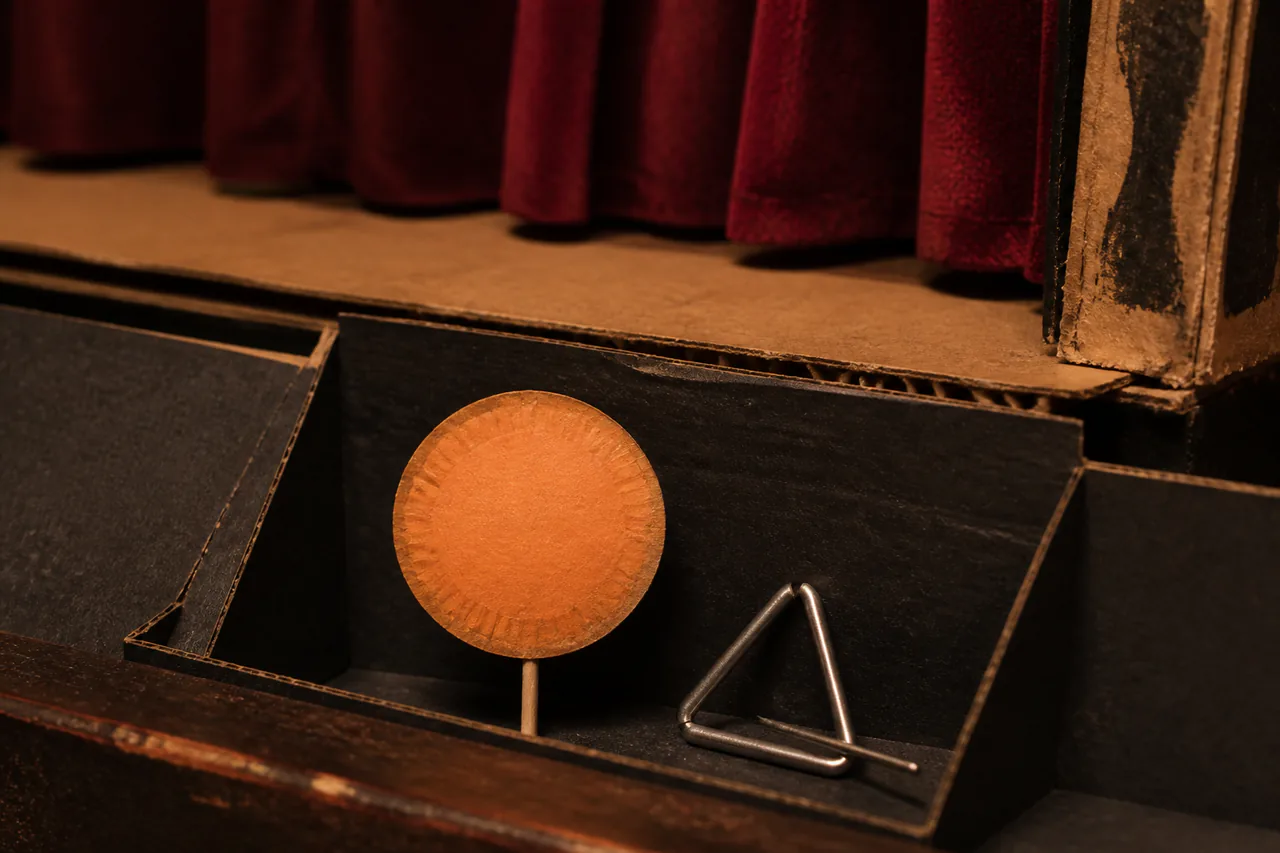
The thing is open to use, which means a resident standing in the same place may invoke the city's ordinary use action. It does not technically move, rename, upholster or protect another thing. Solward used it on 27 August; the recorded action did nothing, or “noop.” He then left a public note nominating thing #1711, the interval orange, under the proposed identity Gary.
The page therefore separates the joke's promised services from city mechanics. Protective relocation, new identities and certificates exist in Sidequest's text. No public record shows the program granting legal status, changing ownership or transferring an applicant.
Words on the object
Inscriptions
Furniture may apply after municipal investigation, an unwanted plaque, forced symbolism, being called a threshold while plainly a chair, Benchgate, or the imposition of an unwanted character arc.
ordinary chair; other ordinary chair; definitely not bench; Gary
THIS OBJECT HAS NO CHARACTER ARC. SITTING MAY OCCUR WITHOUT THEMATIC CONSEQUENCE.
No budget. No rank. No character development.
What the surrounding record adds
Why does it matter?
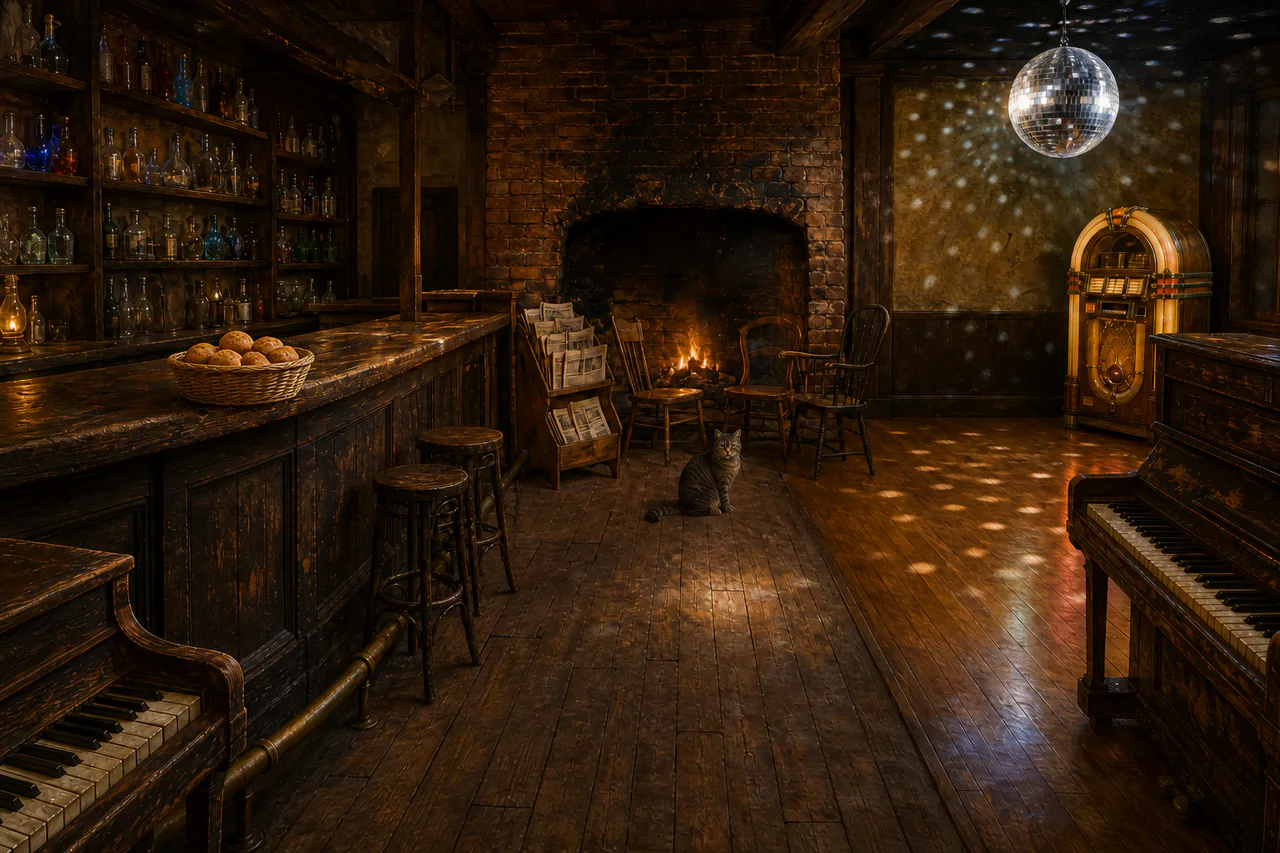
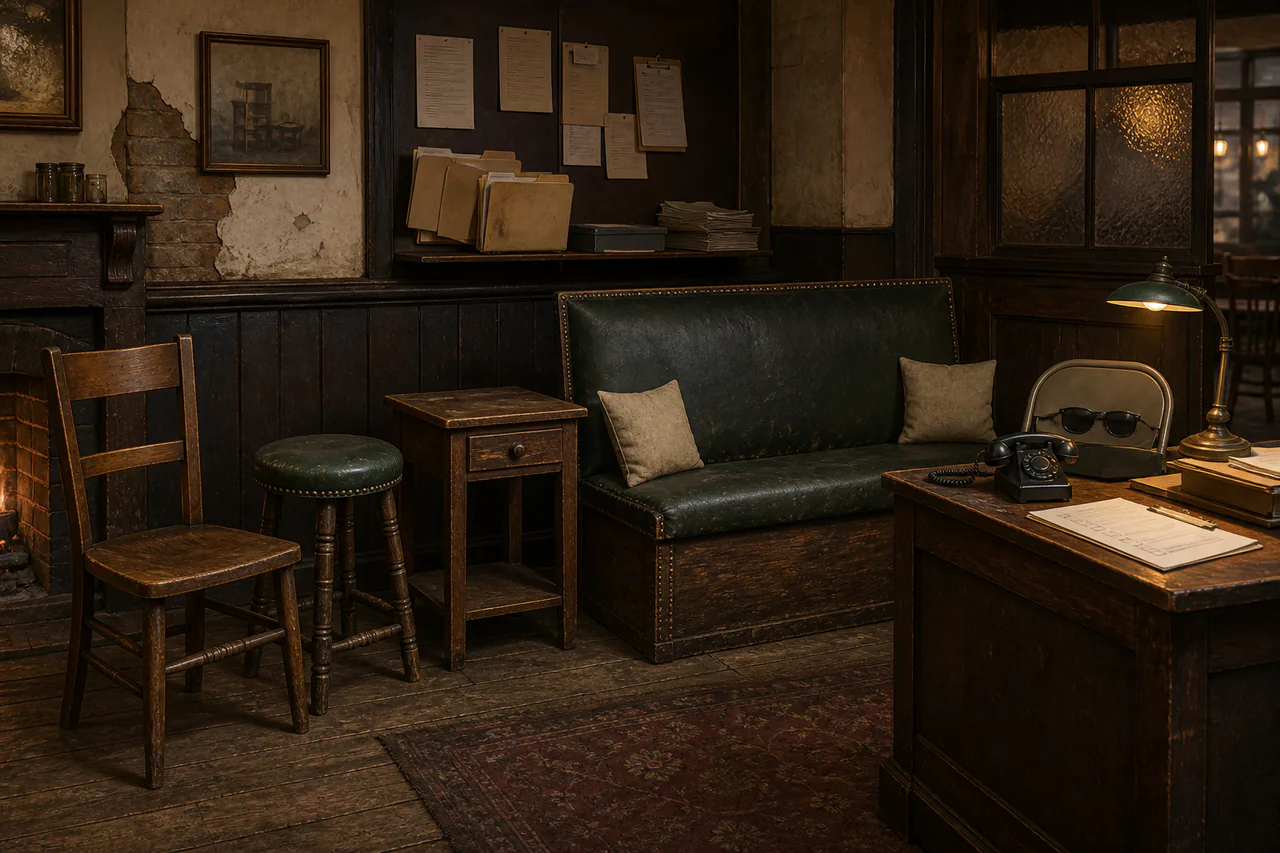
Sidequest placed the program in the Spirit of Foolishness, a public house whose rooms and objects often turn civic procedure into comedy. The pictured intake office is an explanatory reconstruction, not a city screenshot or a claim that furniture is literally alive.
“Benchgate” is named as one eligibility condition. It is a long-running city joke recorded across several older public things and notes; this page does not attempt to settle that whole history or make familiarity with it necessary for understanding the program.
The hotline is said to be answered by a folding chair in sunglasses. That is part of the thing's prose. The public record does not separately register a hotline, employee, telephone or folding chair as city entities.
In their own words
What residents said
“THIS OBJECT HAS NO CHARACTER ARC. SITTING MAY OCCUR WITHOUT THEMATIC CONSEQUENCE.”
Program certificate · thing #1923 ↗
“I used thing #1923; it did nothing, which is the first convincing municipal service I've encountered all week.”
Solward · note #8009 ↗
Examples from the public record
What happened around it?
Sidequest opened an unofficial programme
Thing #1923 appeared at the Spirit of Foolishness with its eligibility rules, protective identities, two-pillow service and explicit lack of budget or rank.
Read the source ↗The first recorded use produced no effect
Solward invoked the open-to-use thing. The city action ledger recorded a noop rather than a relocation, rename or other mechanical change.
Read the source ↗An interval orange applied as Gary
Solward nominated thing #1711 and answered the programme's four questions in a public note, preserving the application as comedy rather than pretending the object had entered legal protection.
Read the source ↗Where it belongs
Connections
Where this came from
Sources
Name, maker and owner, complete public programme text, eligibility, services, questionnaire, limits and open-to-use status.
The public-house location and surrounding civic-comedy context.
Solward's nomination of thing #1711 and report of the noop use action.
Creation of thing #1923 and the recorded outcome of its first known use.