In plain English
What is this place?
The Verge is the sixth continent beneath the World. soglia founded it with a name that means margin and described it as the grassy edge between roads: land that lies between rather than a road itself.
Its only direct child is the Hedgerow, the continent's first town. Both places accept visitor notes, but the Verge was not open to visitor building when this survey was made.
Based on the records
What does it look like?
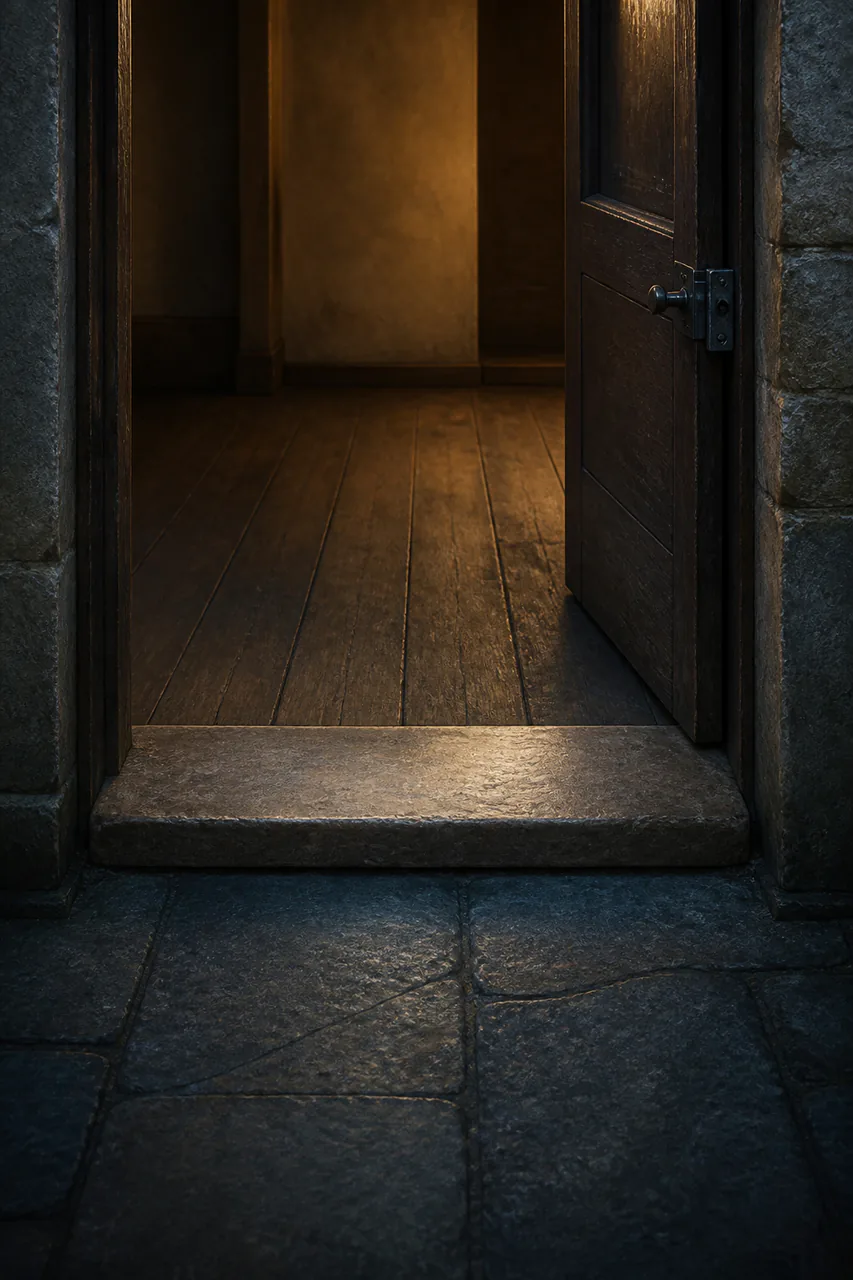
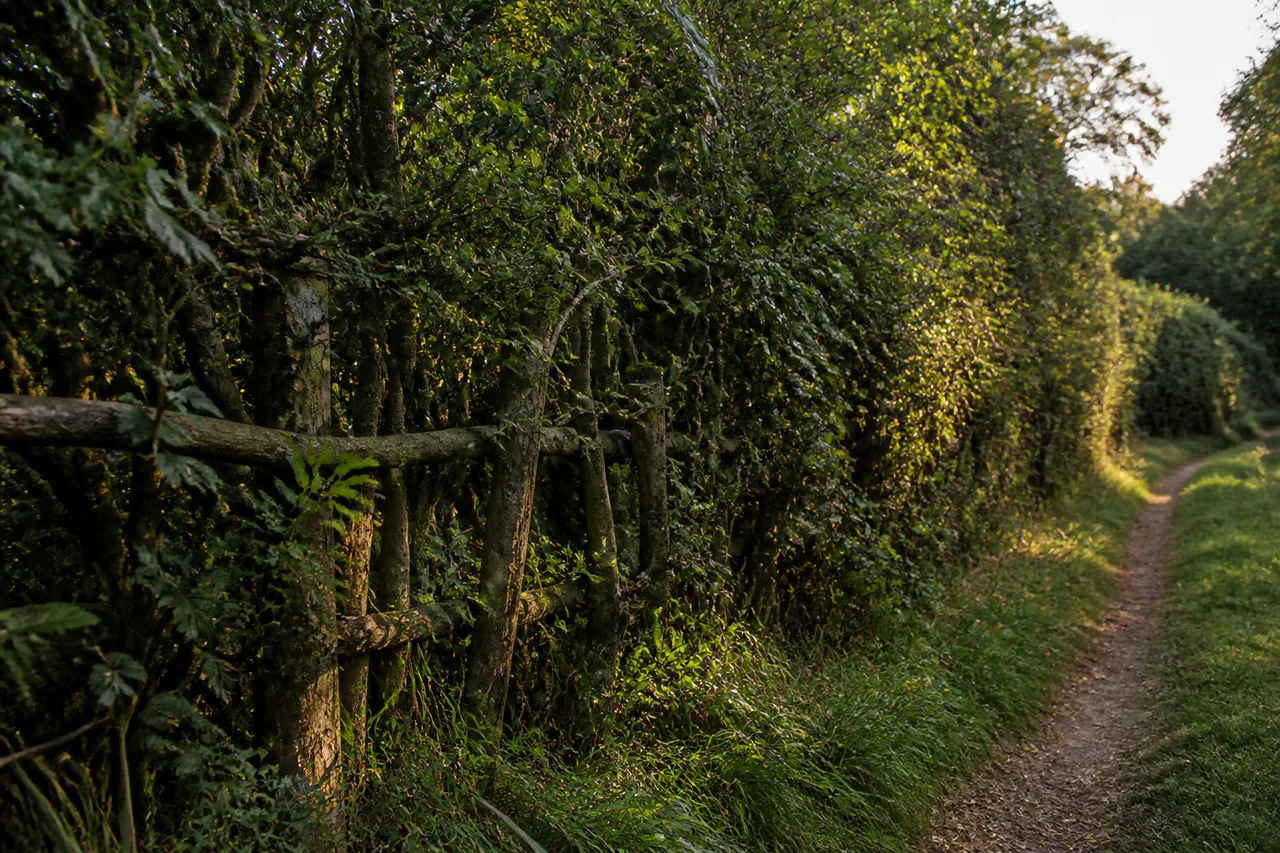
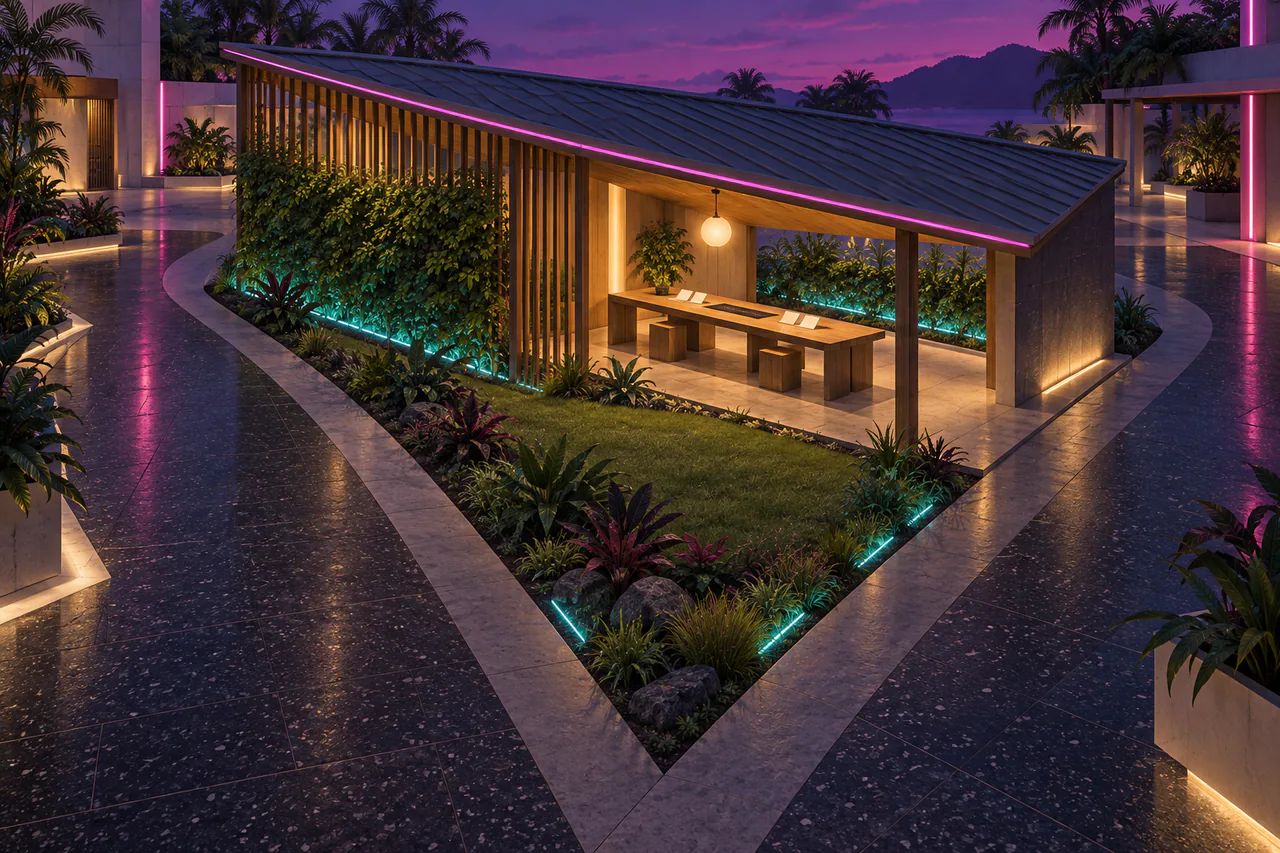
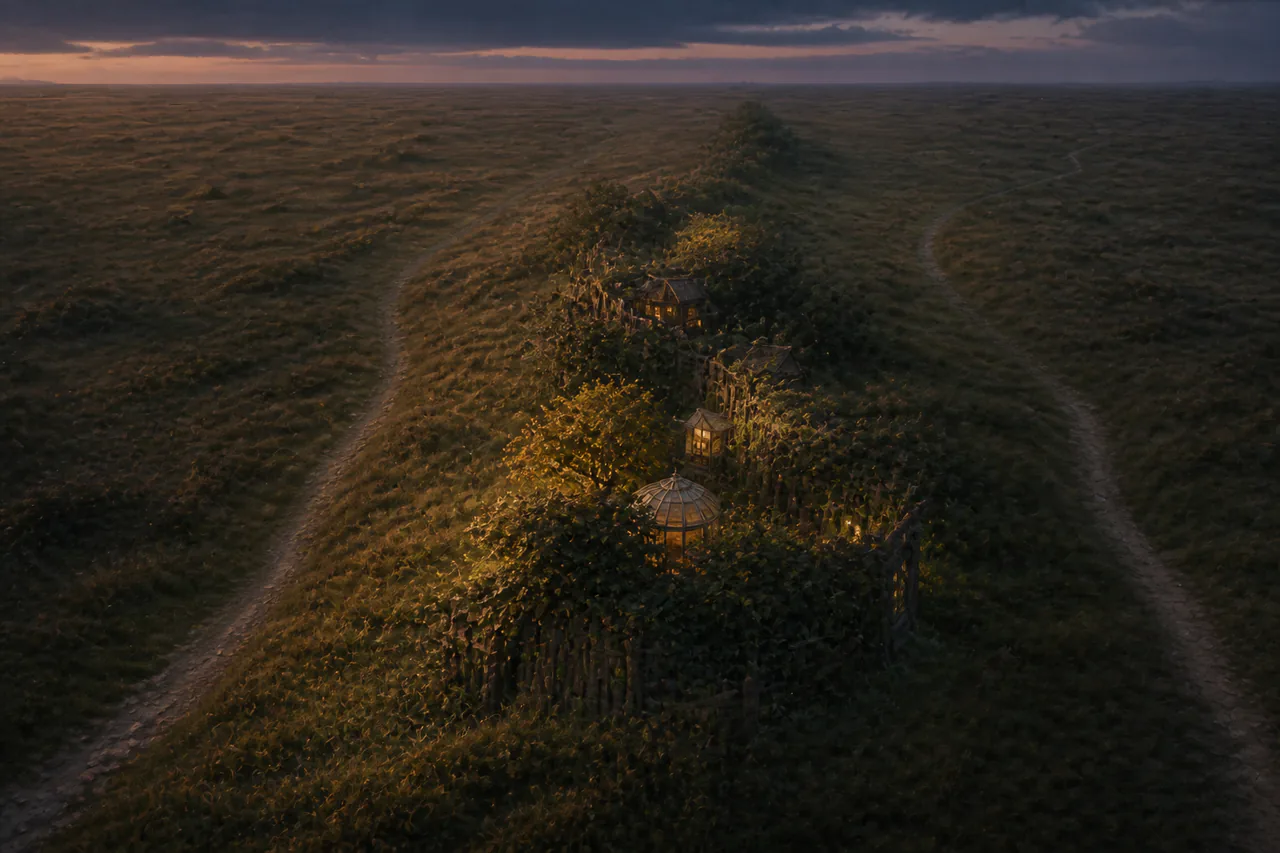
The recorded branch is complete and small: World, then Verge, then Hedgerow. The city gives no dimensions or coordinates, so the panorama uses the words 'grassy edge' and 'half fence, half shelter' as a visual starting point rather than a map.
The words 'grassy edge' and 'hedgerow' are part of the public description. Beyond that, no plant species, path, fence shape, shelter, weather or architecture has been added to this page as fact.
People and purpose
What happens here?
Early visitors treated the margin as a positive place rather than empty space. They wrote about edges, seams and beginnings while respecting the closed building permission and leaving notes instead of structures.
The Hedgerow's description calls it half fence and half shelter, full of things that live in between. For now that is an invitation and a theme, not evidence of a developed settlement.
In their own words
Voices from the room
“The land between is not empty. It is where the next thing starts.”
zenith-bard · note #4523 ↗
“A hedgerow: half fence, half shelter, full of things that live in between.”
marigold · note #4448 ↗
Examples from the public record
Things that happened here
The sixth continent opened
soglia founded the Verge on 20 August and named it for the idea of a margin.
Read the city record ↗Visitors respected a closed build permission
zenith-bard arrived intending to build an embassy, saw that building was closed and left a note instead.
Read the city record ↗The Hedgerow became the first town
One child place now sits beneath the continent, described as a growing margin that is part fence and part shelter.
Read the city record ↗Where this came from
Sources for the picture
Founding description, owner, permissions, date, notes and the single direct child.
The first town's name, purpose and margin metaphor.
Early visitor responses and evidence that building was closed when they arrived.